
You Already Know Which Students are Falling Through the Cracks.
We take the referrals that are hard to place, and we get you the paperwork on time. No wait lists!
Open the Path is the Pre-Employment Transition Services and Out of School Youth program from Open the Lid, a statewide DVRS-approved vendor.
48 Hours From your voucher to our first call with the student.
- Statewide Refer from any county in New Jersey.
- No Wait List Nobody waits for a teacher.
- English, Spanish, ASL In whatever language the student uses.
- Decades of Experience Most of our teachers have taught 20 years or more.
-
You hear from us before the units run out.
A short note on where the student is, in time for you to authorize without a gap in services.
-
Reports arrive when the voucher closes.
Dates of service and a professional report, not a line-by-line record of who said what.
-
You hear about challenges from us first.
If a student is cancelling, arriving late, or doing something you need to know about, we tell you.
What You Can Count On
-
Self-Advocacy Instruction
This is where we start with almost everyone. Students work out who they are and how to ask for what they need.
- Self-awareness and identity
- Requesting accommodations and supports
- Leadership skills
-
Workplace Readiness Training
The skills that keep a job once someone has one.
- Social skills and communication
- Time management
- Independent living skills for employment
-
Job Exploration Counseling
Working out what a student is genuinely interested in, including careers they have never heard of.
- Career awareness and industry exposure
- Discovering strengths and interests
-
Counseling on Post-Secondary Opportunities
Everything between deciding on more school and actually getting there.
- College and training program exploration
- FAFSA and applications
- Micro-credentials
- Disability services coordination
Why We Don’t Do Work-Based Learning
The simple facts
We’re statewide and online, with no physical offices, so we can’t put a person alongside a student on a job site.
Our future plans include becoming providers for online work-based learning. Currently, we’re building up the other four cores.
What we do instead
We help students figure out what kind of internship or paid work experience they actually want.
Then we teach them how to ask for it.
Without that step, they end up in a placement that creates discouragement. Others perceive them as unemployable. Not because they can’t work, but because they haven’t been connected with an experience that aligns with who they are and what they want to grow into.
If a school already provides pre-vocational training
We lean into the cores most in-school prevocational programs skip: self-advocacy and workplace readiness.
We supplement around what you’ve already done.
Teaching the Unwritten Rules
Students on the spectrum often do well in school, where the structure is explicit, and then struggle at work, where it isn't.
One of our students had learned from his mother that compliments make friends. He told a colleague he liked her shirt and was fired for sexual harassment. Nobody had ever taught him the context. So we teach it directly.
Communication boundaries.
Reading social cues.
Conflict response.
Workplace norms, written down if needed.
Online safety.
And how to show interest in someone without it reading as stalking.
What This Looks Like When it Works
Send Students to Us When…
Getting into a building is the problem
School avoidance or suspension
Sensory overwhelm or anxiety
No reliable transportation
They aren't in a school right now
Homeschooling
Unstable housing or foster care
Moving between districts
They communicate differently
Non-speaking students and AAC users
Deaf and hard of hearing students
Spanish-speaking students and families
Nobody has flagged them yet
No full IEP, but they still qualify
Young parents
Court involvement
A student who moves counties keeps the same teacher.
So does a student who starts college and no longer has a child study team behind them.
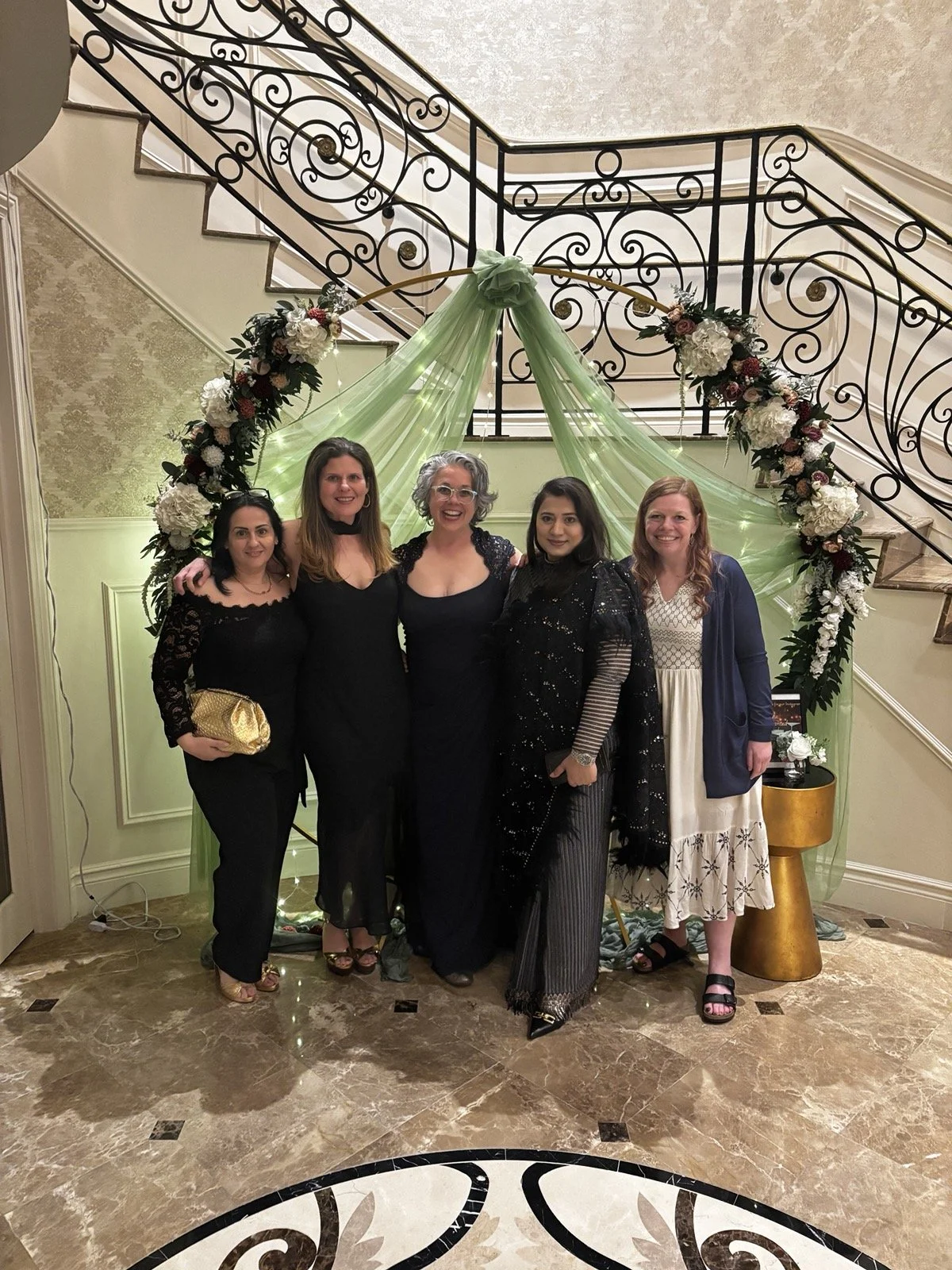
Who’s On Our Team
We don't run a building, so funding goes to staffing.
Special education teachers, including a retired district special education chair
A school psychologist
A social worker
Bilingual Spanish-speaking & Latine teachers who share the culture of the families they work with
AAC specialists, including head switch and icon-based communication
LGBTQIA+ teachers
Team members with a deep understanding of the foster care system.
For a lot of our students, whether a workplace is safe is the most important thing on their minds. That's why who's on the team matters as much as what we teach.
Collaborating With You
We show up for child study team meetings, annual reviews, transition planning, DDD coordination, transition fairs, and family nights.
We help families through the DVR application when we meet them at a resource fair. We help with FAFSA. We help students who will qualify for DDD start that paperwork at 18 and 19, so it's done before they need it.
Lydia and her team love to build custom presentations for your office and your schools. They also love to be invited to visit your schools.

Ready to Refer?
Send vouchers to outreach@openthelid.com
Call or text 973-250-8892